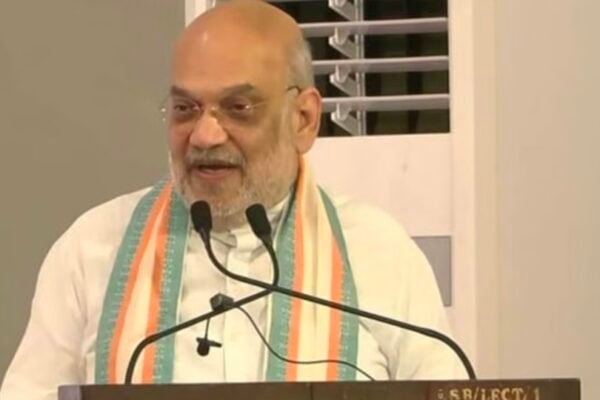




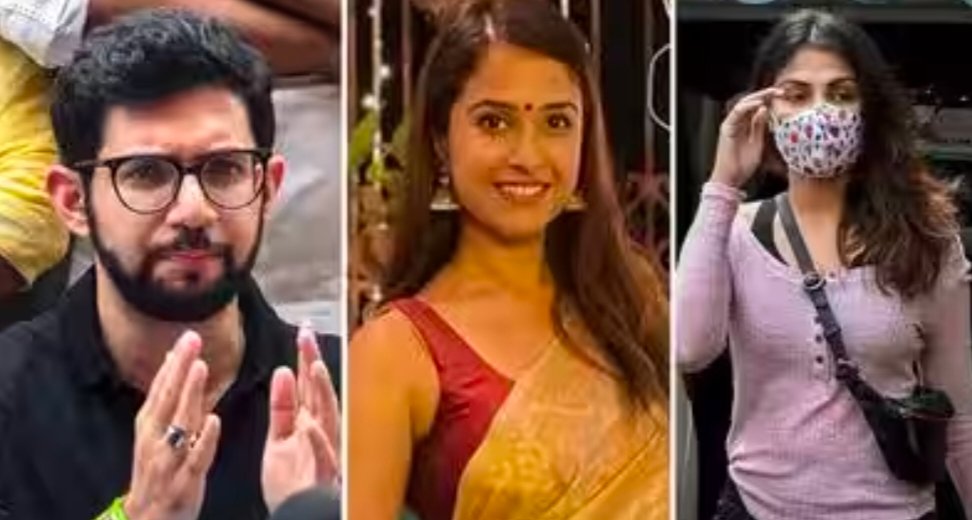
दिशा सालियान मौत केस में CBI की FIR, आदित्य ठाकरे समेत कई नाम जांच के दायरे में बॉम्बे हाईकोर्ट के आदेश के बाद छह साल पुराने मामले में नई जांच शुरू; FIR में रिया चक्रवर्ती, डिनो मोरिया, सूरज पंचोली समेत कई लोगों के नाम का उल्लेख नई दिल्ली/मुंबई: दिवंगत अभिनेता सुशांत सिंह राजपूत की पूर्व मैनेजर दिशा सालियान की मौत के करीब छह साल बाद मामले में बड़ा कानूनी मोड़ आया है। बॉम्बे हाईकोर्ट के आदेश के बाद केंद्रीय जांच ब्यूरो (CBI) ने सोमवार, 14 सितंबर को FIR दर्ज कर जांच शुरू कर दी है। FIR में शिवसेना (UBT) नेता आदित्य ठाकरे, अभिनेत्री रिया चक्रवर्ती, अभिनेता डिनो मोरिया और सूरज पंचोली समेत कई लोगों के नाम जांच के संदर्भ में दर्ज किए गए हैं। FIR में आदित्य ठाकरे के कथित बॉडीगार्ड्स, रिया चक्रवर्ती, शोविक चक्रवर्ती, पूर्व पुलिस अधिकारी सचिन वाझे, पूर्व मुंबई पुलिस आयुक्त परमबीर सिंह, DCP विशाल ठाकुर और तत्कालीन मुख्यमंत्री उद्धव ठाकरे समेत कई पुलिस अधिकारियों, फोरेंसिक अधिकारियों, डॉक्टरों तथा अन्य लोगों का भी उल्लेख किया गया है। हालांकि, किसी व्यक्ति का FIR में नाम होना अपने आप में अपराध सिद्ध होने या उसे आरोपी ठहराए जाने के बराबर नहीं है। बॉम्बे हाईकोर्ट ने CBI जांच का आदेश देते समय स्पष्ट किया था कि जांच के दौरान पर्याप्त सामग्री मिलने तक किसी व्यक्ति को आरोपी नहीं माना जाना चाहिए। FIR में साजिश और सबूतों से छेड़छाड़ के आरोपों की जांच CBI की FIR में कथित मुख्य अपराधों के अलावा आपराधिक साजिश, घटना को आत्महत्या के रूप में पेश किए जाने और सबूतों को दबाने, नष्ट करने या उनमें कथित हेरफेर जैसे पहलुओं की जांच का भी उल्लेख है। FIR में मालवणी पुलिस स्टेशन से जुड़े अधिकारियों, पोस्टमार्टम में शामिल डॉक्टरों एवं कर्मचारियों, कालिना स्थित फोरेंसिक साइंस लैब के अधिकारियों, रीजेंट गैलेक्सी बिल्डिंग के सुरक्षा गार्ड्स और पहले गठित विशेष जांच दल से जुड़े लोगों का भी उल्लेख किया गया है। अब CBI इन सभी पहलुओं की नए सिरे से जांच करेगी और यह पता लगाने की कोशिश करेगी कि दिशा सालियान की मौत की वास्तविक परिस्थितियां क्या थीं। बॉम्बे हाईकोर्ट ने क्यों CBI जांच का आदेश दिया? दिशा सालियान के पिता सतीश सालियान ने उनकी बेटी की मौत की परिस्थितियों पर सवाल उठाते हुए बॉम्बे हाईकोर्ट में याचिका दायर की थी। 2 सितंबर को हाईकोर्ट ने मामले की CBI जांच का आदेश दिया और एजेंसी को FIR दर्ज करने तथा सतीश सालियान का बयान दर्ज करने का निर्देश दिया। कोर्ट ने शुरुआती पुलिस जांच में कई विसंगतियों का उल्लेख करते हुए कहा था कि जांच से कुछ सवालों के जवाब मिलने के बजाय और सवाल खड़े हुए हैं। कोर्ट ने साथ ही यह महत्वपूर्ण निर्देश दिया कि जांच के दौरान पर्याप्त सामग्री मिलने तक किसी भी व्यक्ति को आरोपी नहीं माना जाएगा। दिशा सालियान की मौत और सुशांत सिंह राजपूत केस दिशा सालियान की 8 जून 2020 को मुंबई के मालाड इलाके में एक ऊंची इमारत से गिरने के बाद मौत हो गई थी। उस समय मुंबई पुलिस ने मामले में Accidental Death Report (ADR) दर्ज की थी। इसके छह दिन बाद, 14 जून 2020 को अभिनेता सुशांत सिंह राजपूत अपने बांद्रा स्थित घर में मृत पाए गए थे। दोनों घटनाओं के बीच कम अंतर होने के कारण कई तरह की अटकलें सामने आईं, हालांकि दोनों मामलों की जांच अलग-अलग की गई थी। दिशा सालियान की मौत के मामले में मुंबई पुलिस की पिछली जांच ने इसे आत्महत्या माना था। पिता ने CBI के सामने कई नामों का किया उल्लेख CBI जांच शुरू होने से पहले दिशा के पिता सतीश सालियान ने एजेंसी के सामने अपना बयान दर्ज कराया था। उन्होंने जांचकर्ताओं को अपनी जानकारी के अनुसार घटनाक्रम बताया और आदित्य ठाकरे, सूरज पंचोली, डिनो मोरिया तथा कुछ अन्य लोगों के नामों की जांच करने की मांग की थी। अब CBI पुराने केस रिकॉर्ड, पुलिस दस्तावेज, तकनीकी और फोरेंसिक साक्ष्यों के साथ-साथ संबंधित लोगों के बयान भी जांचेगी। मुंबई पुलिस से केस से जुड़े दस्तावेज CBI को सौंपने की प्रक्रिया भी शुरू हो चुकी है। छह साल पुराने इस मामले में अब CBI की नई जांच से यह स्पष्ट होने की उम्मीद है कि दिशा सालियान की मौत किन परिस्थितियों में हुई और शुरुआती जांच में उठे सवालों का वास्तविक जवाब क्या है। फिलहाल किसी भी व्यक्ति के खिलाफ आरोपों को जांच पूरी होने से पहले अंतिम तथ्य के रूप में नहीं माना जा सकता।
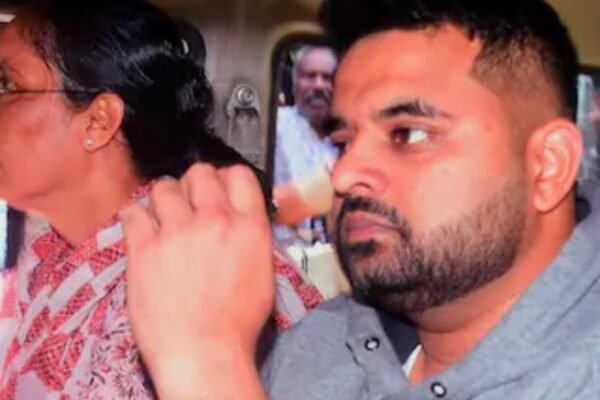
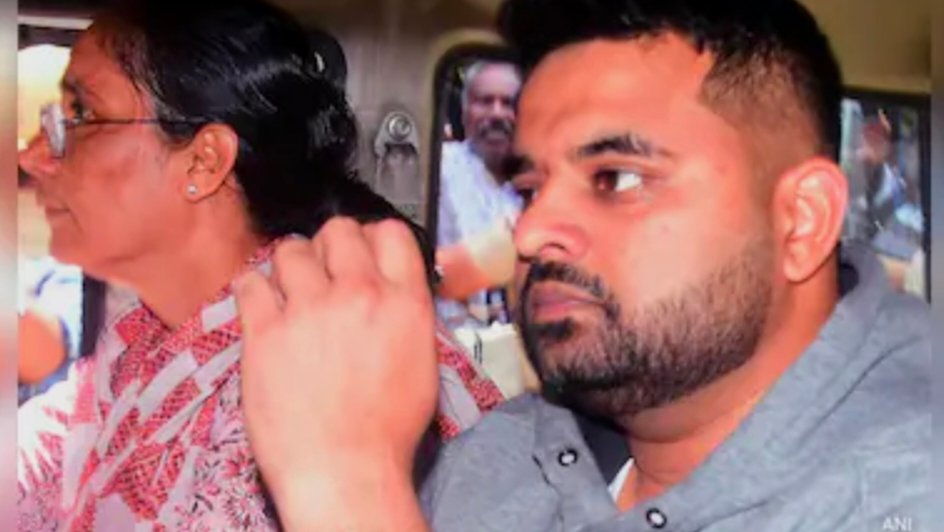
जेल में बंद पूर्व सांसद प्रज्वल रेवन्ना के फोन से मिले दर्जनों अश्लील वीडियो, पेन ड्राइव में वेब सीरीज भी बरामद बेंगलुरु जेल में छापेमारी के दौरान मोबाइल फोन मिलने के बाद फॉरेंसिक जांच में सामने आई जानकारी; जेल में VIP कैदियों को मिलने वाली कथित सुविधाओं पर फिर उठे सवाल बेंगलुरु: बलात्कार मामले में उम्रकैद की सजा काट रहे कर्नाटक के पूर्व सांसद प्रज्वल रेवन्ना एक बार फिर विवादों में हैं। बेंगलुरु की परप्पना अग्रहारा सेंट्रल जेल में उनके पास से बरामद मोबाइल फोन की फॉरेंसिक जांच में कथित तौर पर दर्जनों अश्लील वीडियो मिलने की जानकारी सामने आई है। वहीं, जब्त की गई पेन ड्राइव में कई वेब सीरीज भी मिली हैं। जानकारी के मुताबिक, 11 अगस्त को क्राइम ब्रांच के अधिकारियों ने जेल में अचानक छापेमारी की थी। इस दौरान प्रज्वल रेवन्ना को कथित तौर पर जेल की हाई-सिक्योरिटी बैरक में मोबाइल फोन इस्तेमाल करते हुए पाया गया। अधिकारियों ने मोबाइल फोन के अलावा एक चार्जर, पेन ड्राइव और नोटबुक भी जब्त की थी। जब्त मोबाइल फोन और पेन ड्राइव को फॉरेंसिक जांच के लिए भेजा गया था। अब सामने आई फॉरेंसिक रिपोर्ट में मोबाइल फोन में दर्जनों अश्लील वीडियो और पेन ड्राइव में वेब सीरीज होने की बात कही गई है। जेल में मोबाइल फोन मिलने से सुरक्षा व्यवस्था पर सवाल जेल के भीतर मोबाइल फोन की बरामदगी ने एक बार फिर बेंगलुरु की केंद्रीय जेल में VIP कैदियों को कथित तौर पर मिलने वाली विशेष सुविधाओं और जेल सुरक्षा व्यवस्था पर सवाल खड़े कर दिए हैं। जेल प्रशासन के नियमों के अनुसार, कैदियों के लिए निजी मोबाइल फोन, SIM कार्ड और अन्य इलेक्ट्रॉनिक संचार उपकरण प्रतिबंधित होते हैं। निर्धारित नियमों के तहत कैदियों को निगरानी वाले संस्थागत लैंडलाइन, पब्लिक कॉल ऑफिस या अधिकृत वीडियो-कॉलिंग व्यवस्था के जरिए ही संपर्क की अनुमति होती है। मोबाइल फोन मिलने के बाद जेल विभाग ने एक अधिकारी को निलंबित कर मामले की जांच के आदेश दिए थे। अब फॉरेंसिक रिपोर्ट के सामने आने के बाद जांच का दायरा और बढ़ सकता है। रेप केस में उम्रकैद की सजा काट रहा है रेवन्ना प्रज्वल रेवन्ना पूर्व प्रधानमंत्री एच.डी. देवगौड़ा के पोते और केंद्रीय मंत्री एच.डी. कुमारस्वामी के भतीजे हैं। उन्हें पिछले वर्ष एक महिला से बलात्कार और यौन उत्पीड़न से जुड़े वीडियो प्रसारित करने के मामले में दोषी ठहराया गया था और उम्रकैद की सजा सुनाई गई थी। मामले में पीड़िता ने आरोप लगाया था कि 2021 से उसके साथ कई बार बलात्कार किया गया। अभियोजन के अनुसार, घटना को रिकॉर्ड किया गया और शिकायत करने पर वीडियो सार्वजनिक करने की धमकी दी गई थी। अब जेल में मोबाइल फोन के इस्तेमाल और उसमें मिले कथित अश्लील वीडियो की फॉरेंसिक रिपोर्ट ने मामले को एक नया मोड़ दे दिया है। मोबाइल फोन जेल के अंदर कैसे पहुंचा और किसने उसे उपलब्ध कराया, इसकी जांच फिलहाल जारी है।
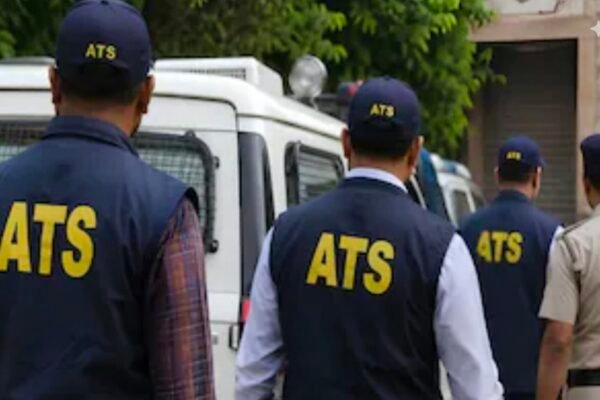
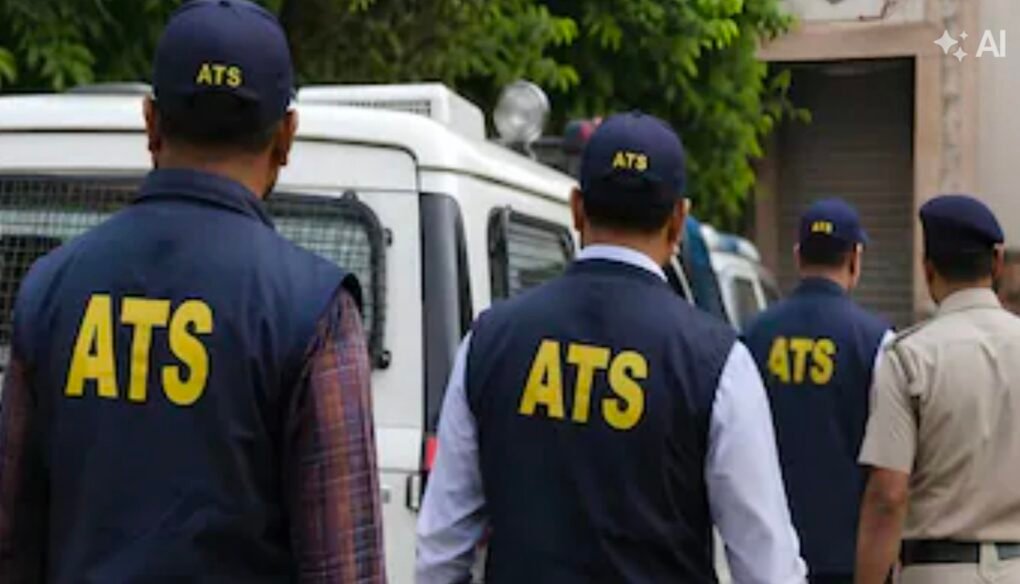
ठाणे ATS की बड़ी कार्रवाई: फरार इंडियन मुजाहिदीन आतंकी की 21 वर्षीय बेटी मुंब्रा से गिरफ्तार नमिरा तारीक खान पर फर्जी जानकारी के आधार पर पासपोर्ट हासिल करने और कथित तौर पर सऊदी अरब जाने का शक; ATS की जांच में कई अहम जानकारियां सामने आईं ठाणे: महाराष्ट्र आतंकवाद निरोधक दस्ते (ATS) ने फरार आतंकी तारीक खान की 21 वर्षीय बेटी नमिरा तारीक खान को मुंब्रा से गिरफ्तार किए जाने की जानकारी सामने आई है। ATS की यह कार्रवाई ऐसे समय में हुई है, जब जांच एजेंसियां लंबे समय से फरार बताए जा रहे तारीक खान और उसके परिवार से जुड़े लोगों की तलाश कर रही हैं। फर्जी पासपोर्ट से विदेश यात्रा का शक जांच एजेंसियों के मुताबिक, नमिरा खान ने कथित तौर पर गलत जानकारी देकर पासपोर्ट हासिल किए थे। जांच में यह भी सामने आया है कि उसने कथित फर्जी पासपोर्ट के आधार पर दो बार सऊदी अरब की यात्रा की थी। रिपोर्ट के अनुसार, कुर्ला और लखनऊ के पतों पर जारी कथित फर्जी पासपोर्ट के जरिए सऊदी अरब जाने और वहां अपने फरार पिता से मिलने की आशंका जताई जा रही है। इसके अलावा, जांच एजेंसियां उसके पाकिस्तान जाने के संभावित कनेक्शन की भी जांच कर रही हैं। इन दावों की पुष्टि जांच पूरी होने के बाद ही हो सकेगी। मुंब्रा में कुछ दिनों से रह रही थी बताया जा रहा है कि ATS को तारीक खान की पत्नी शबनम उर्फ फिर्दौस तारीक खान की तलाश थी। इसी जांच के दौरान नमिरा के मुंब्रा में रहने की जानकारी सामने आई और इसके बाद ATS ने कार्रवाई करते हुए उसे गिरफ्तार किया। अब एजेंसी नमिरा से उसके विदेश दौरों, पासपोर्ट हासिल करने के तरीके, परिवार के संपर्कों और फरार पिता से कथित मुलाकातों को लेकर पूछताछ कर सकती है। कौन है तारीक खान? जांच एजेंसियों के रिकॉर्ड के अनुसार, मोहम्मद तारीक अंजुमन हसन उर्फ तारीक खान मूल रूप से बिहार का रहने वाला बताया जाता है और पेशे से सिविल इंजीनियर रहा है। उसका नाम प्रतिबंधित संगठन SIMI और आतंकी संगठन इंडियन मुजाहिदीन से कथित तौर पर जुड़ा रहा है। रिपोर्ट के मुताबिक, वह 1998 से SIMI की गतिविधियों से जुड़ा था और बाद में 2003 के आसपास रियाज भटकल और इकबाल भटकल के साथ इंडियन मुजाहिदीन के गठन में उसकी भूमिका का आरोप लगाया गया। उसे संगठन का संस्थापक सदस्य और वैचारिक मार्गदर्शक भी बताया गया है। 2007 के दौरान पुणे के कोंढवा इलाके में इंडियन मुजाहिदीन से जुड़े कुछ युवाओं को कथित तौर पर आश्रय और सहायता देने के मामले में भी उसका नाम सामने आया था। तारीक खान कई वर्षों से फरार बताया जा रहा है। ATS अब नमिरा खान से पूछताछ के जरिए उसके विदेश संपर्कों और परिवार से जुड़े संभावित नेटवर्क की जानकारी जुटाने में लगी है। मामले में आगे की जांच जारी है।
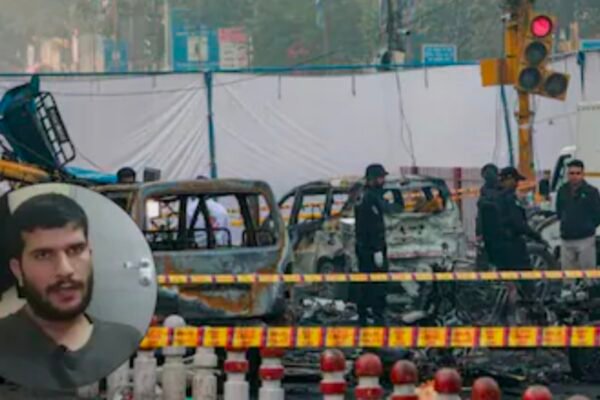
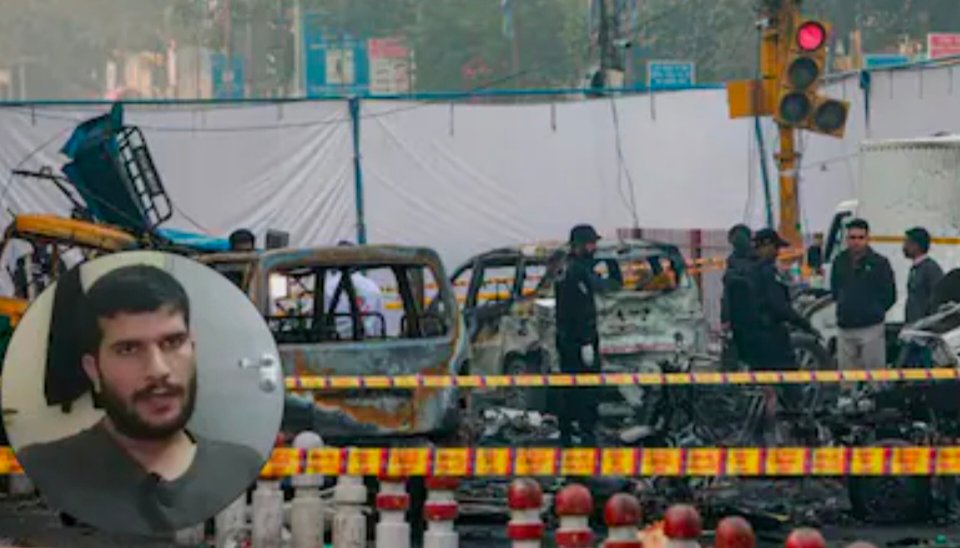
लाल किला पहला निशाना नहीं था? ट्रैफिक के चलते बदला प्लान, NIA चार्जशीट में लाल मंदिर का जिक्र लाल किले के पास कार ब्लास्ट मामले में बड़ा खुलासा; NIA का दावा- आरोपी ने पहले जैन मंदिर के पास कार खड़ी करने की कोशिश की, ट्रैफिक और पुलिस की मौजूदगी के बाद पहुंचा लाल किला नई दिल्ली: दिल्ली के लाल किले के पास हुए कार ब्लास्ट मामले की जांच में राष्ट्रीय जांच एजेंसी (NIA) की चार्जशीट में कई अहम दावे सामने आए हैं। NIA के मुताबिक, आत्मघाती हमलावर उमर उन नबी ने कथित तौर पर लाल किले से पहले लाल मंदिर, जो एक जैन मंदिर है, के पास अपनी विस्फोटक से लदी कार खड़ी करने की कोशिश की थी। हालांकि, इलाके में भारी ट्रैफिक और पुलिस की मौजूदगी के चलते उसने कथित तौर पर अपना रास्ता बदल लिया और लाल किले की ओर चला गया। NIA की चार्जशीट के अनुसार, उमर उन नबी ने शाम करीब 6:37 बजे सुनहरी मस्जिद पार्किंग से निकलकर कार चलाई और लाल मंदिर के पास पहुंचने की कोशिश की। लेकिन वहां की परिस्थितियों को देखते हुए उसने यू-टर्न लिया और लाल किले की ओर बढ़ गया। जांच एजेंसी के मुताबिक, इसके कुछ ही मिनट बाद करीब 6:50 बजे लाल किले के पास धमाका हुआ। इस घटना में 11 लोगों की मौत हुई थी और कई अन्य घायल हुए थे। हालांकि, लाल मंदिर को शुरुआती निशाना बनाए जाने का दावा फिलहाल NIA की जांच और चार्जशीट में सामने आए साक्ष्यों पर आधारित है। जांच एजेंसी ने इसे लेकर गवाहों के बयान, फोरेंसिक साक्ष्य और आरोपी की गतिविधियों से जुड़े रिकॉर्ड जुटाए हैं। नूंह में करीब 11 दिन रुका था आरोपी NIA के मुताबिक, धमाके से एक दिन पहले तक उमर उन नबी हरियाणा के नूंह में किराए के कमरे में करीब 11 दिनों तक रहा था। जांच एजेंसी का दावा है कि इसी दौरान उसने कथित तौर पर विस्फोटक तैयार करने की योजना पर काम किया। चार्जशीट में आरोपी के मोबाइल फोन, आवाजाही, संपर्कों और संदिग्ध गतिविधियों से जुड़े कई साक्ष्यों का भी उल्लेख किया गया है। जांच के दौरान मिले कुछ डिजिटल दस्तावेजों में विस्फोटक तैयार करने से संबंधित सामग्री का जिक्र होने का दावा किया गया है। NIA ने चार्जशीट में यह भी कहा है कि आरोपी के पास मौजूद डिजिटल सामग्री में विस्फोटक बनाने से जुड़े दस्तावेज मिले थे। एजेंसी ने इस संबंध में कई गवाहों के बयान और फोरेंसिक साक्ष्यों को जांच का हिस्सा बनाया है। कपड़ों की खरीद भी जांच में अहम कड़ी जांच एजेंसी के मुताबिक, नूंह में रहने के दौरान उमर उन नबी एक परिचित के रिश्तेदार के साथ कपड़े खरीदने भी गया था। उसने कथित तौर पर टी-शर्ट, सफेद शर्ट और कार्गो पैंट खरीदी थी और भुगतान नकद किया गया था। NIA ने इन खरीदारी से जुड़े विवरणों को भी जांच में महत्वपूर्ण साक्ष्य के तौर पर शामिल किया है। लाल किले की पहले भी कई बार रेकी का दावा NIA के मुताबिक, उमर उन नबी ने 2023 से 2025 के बीच लाल किले का 12 बार दौरा किया था। एजेंसी को संदेह है कि इन यात्राओं का मकसद सिर्फ घूमना नहीं, बल्कि कथित तौर पर इलाके की रेकी करना और संभावित हमले की योजना तैयार करना हो सकता है। चार्जशीट के अनुसार, आरोपी और उसके सहयोगियों द्वारा ऐसी यात्राओं के दौरान मोबाइल फोन बंद रखने की बात भी सामने आई है। NIA को आशंका है कि ऐसा डिजिटल लोकेशन और गतिविधियों का रिकॉर्ड छिपाने के उद्देश्य से किया गया हो सकता है। अब जांच एजेंसी कथित साजिश में शामिल अन्य लोगों, आरोपियों के बीच संपर्क और धमाके की पूरी योजना की कड़ियों को जोड़ने में जुटी है। चार्जशीट में लगाए गए आरोपों पर अंतिम फैसला अदालत की न्यायिक प्रक्रिया के बाद ही होगा।